
Keep up to Date with Pilot City
Sign up to follow Pilot City. We plan to email once per quarter—and only if we have something real to say.

Powering Public Entrepreneurship
We are a non-profit initiative aimed at bolstering state capacity, by helping cities, counties, and regions get the most out of the scientific expertise already found within their community.

THE OPPORTUNITY

American cities are full of public entrepreneurs trying to introduce new ideas to improve how local government operates. They are also home to some of the world’s top research universities and STEM talent, a latent expert pool that is often underutilized in local governance today. We design programs to help cities, counties, and regions bridge that divide—empowering agency staff to pilot, implement, and scale ambitious, science-backed projects, programs, and policies.
THE METHOD
As a first step, we are offering free support to select cities, counties, and regions to host a “Pitchfest” event. At a Pitchfest, government agency staff are invited to pitch problem statements. Problems are then paired with regional experts, in a bottom-up matchmaking process that resembles speed dating. Our goal is to set each location up for success running their own local event, while building an open-source resource library that is useful across geographies.
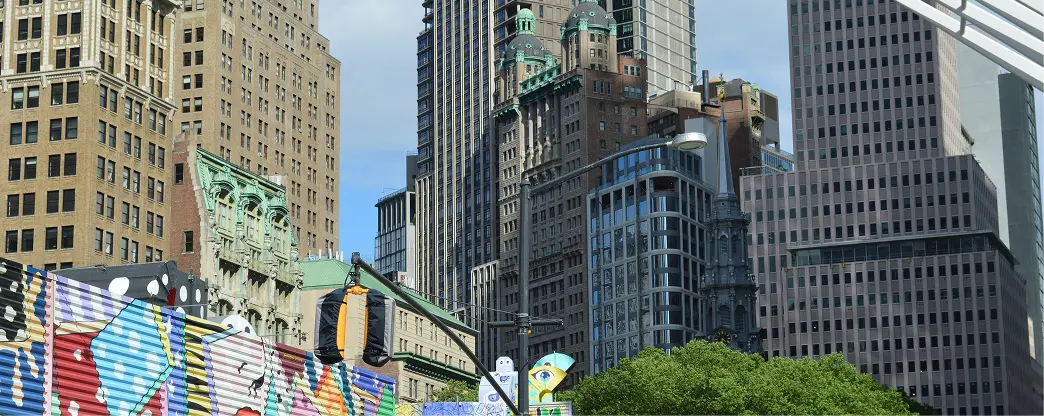
New York
Hosted with:


Projects
Matched
Agencies
Participated
Researchers
Participated
Civic Volunteers
Participated
Our History
We began in New York—America’s largest city. As a next step, we are excited to share our model and provide free support to others who want to organize a Pitchfest where they live.
Timeline

We worked with stakeholders across the City of New York to publish Pilot: New York City, a plan to improve the innovation capabilities of city agencies, which included the Pitchfest concept.

The Sloan Foundation provided a seed grant to help trial the Pitchfest in New York City, focused first on pairing the City’s built environment agencies with university researchers.

The Pitchfest program expands in New York to include eligibility across all city agencies; it also expands to include participation from volunteer Fellows from civic society.

We received support from Coefficient Giving to take the Pitchfest to other cities. We are offering free support to at least three additional locations interested in hosting the program this year!
Pitchfest: Project Spotlight
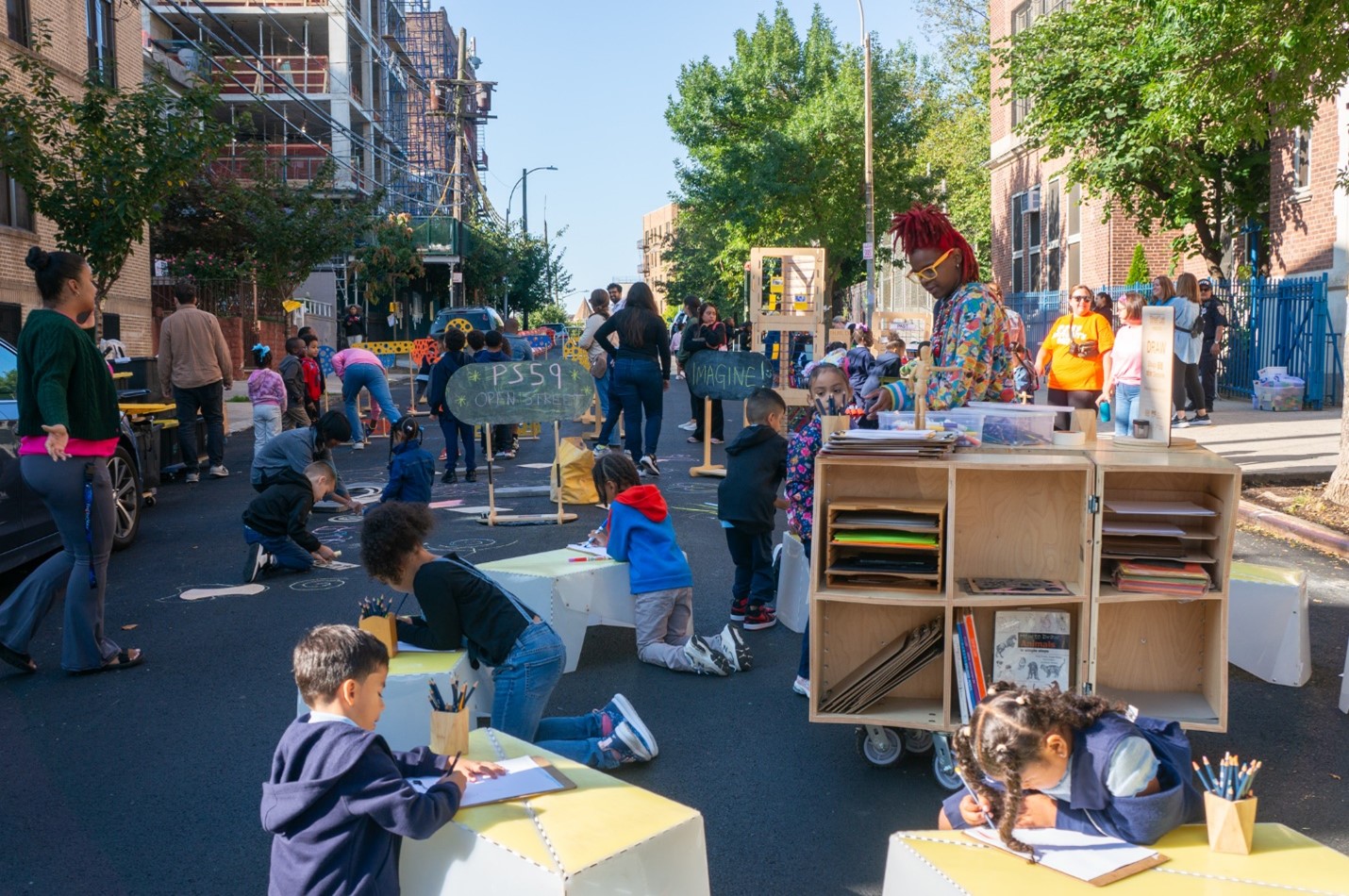
The New York City Department of Transportation (DOT) launched the Open Streets program during the COVID-19 pandemic, allowing schools to use the street in front of their building to offer safe outdoor spaces for recess, outdoor learning, lunch, and safe pick-ups and drop-offs. Even with growth, it services only a fraction of NYC's 1,700+ public schools. Dr. Michael Cassidy, a professor at Mount Sinai, is working with DOT to evaluate the health and educational effects of the program, which may support the case for future expansion.
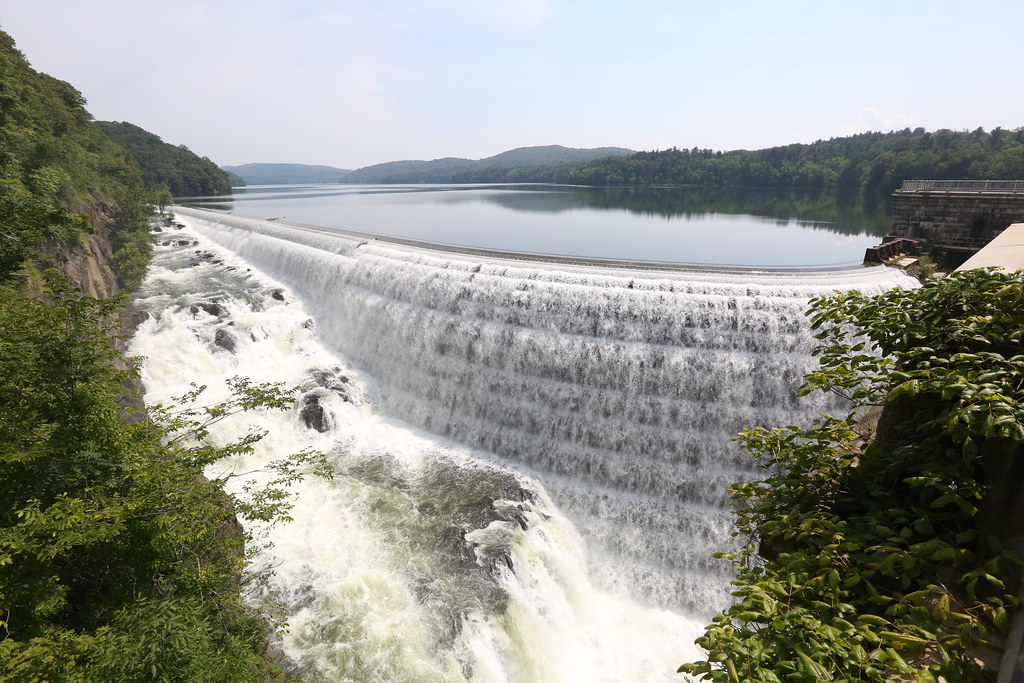
Annual springtime growth of diatom algae has impacted production efficiency in New York City’s drinking water system. Sometime in the next few years, part of the system will be shut down for repairs, making it critical that the remainder of the system operates at maximum production to meet the city’s water demand. Dr. Andrew Juhl, a professor at Columbia University, is helping the New York City Department of Environmental Protection (DEP) investigate the causes of this algal growth and define strategies to mitigate its impact.
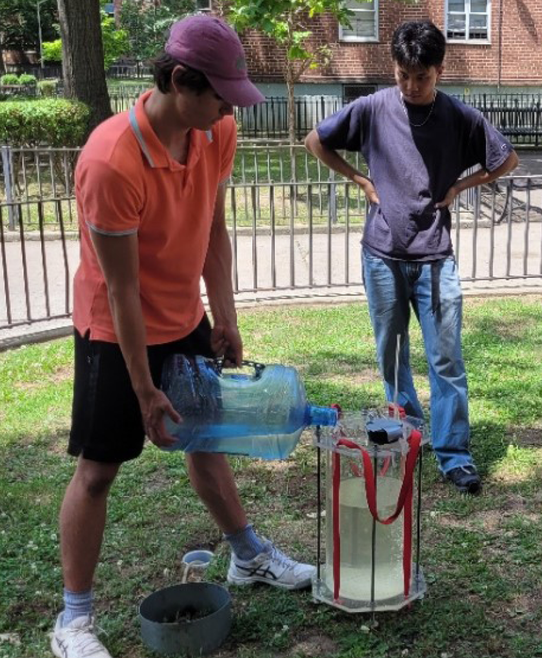
The New York City Housing Authority (NYCHA) spends significant resources raking and hauling leaves from the 1,000 acres its buildings occupy. NYCHA piloted a program to save staff time and substitute raking with leaf mulching, but it needed scientific evidence of soil health benefits to justify expansion. Dr. Joshua Cheng of Brooklyn College analyzed soil samples in the mulched vs. raked lawns, which showed that leaf mulching improved most soil health indicators. This research supported NYCHA’s case for investment, helping secure a $400,000 grant from USDA that funded additional mulchers and continued soil analysis.

The New York City Department of Youth and Community Development (DYCD) hosts a public-facing platform to help New Yorkers search for and locate its programs throughout the city. Launched in 2015, discoverDYCD is now being redesigned. A Fellow led a human-centered design process to improve how parents, youth, and community members search, evaluate, and apply to programs. The Fellow conducted surveys, focus groups, and usability tests to inform interactive prototypes for developer handoff. DYCD leadership approved the designs and internal staff capacity to implement them.
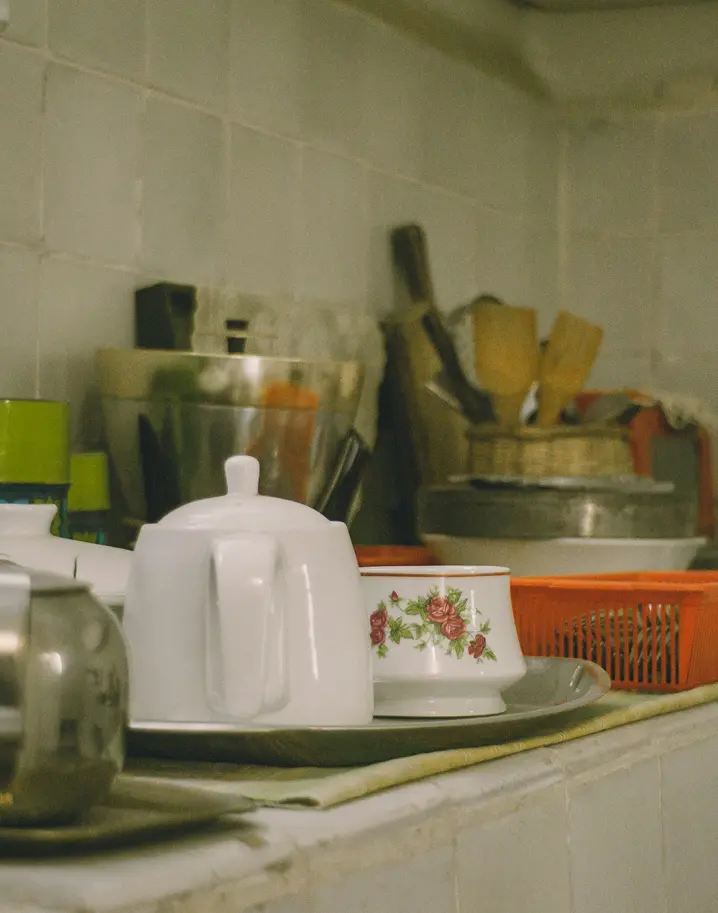
As the nation’s largest municipal public health agency, the New York City Department of Health and Mental Hygiene (DOHMH) sought to bring attention to lead-containing consumer products—like spices and cookware—identified during lead poisoning investigations. A Fellow developed a prototype platform to aggregate and visualize NYC’s open‑source data on lead-containing products. Already, 16 U.S. jurisdictions have committed to sharing their own data, launching a first‑of‑its‑kind multijurisdictional partnership. Through this, DOHMH aims to encourage corrective action in the products’ countries of origin.


The New York City Department of Transportation (DOT) launched the Open Streets program during the COVID-19 pandemic, allowing schools to use the street in front of their building to offer safe outdoor spaces for recess, outdoor learning, lunch, and safe pick-ups and drop-offs. Even with growth, it services only a fraction of NYC's 1,700+ public schools. Dr. Michael Cassidy, a professor at Mount Sinai, is working with DOT to evaluate the health and educational effects of the program, which may support the case for future expansion.
Annual springtime growth of diatom algae has impacted production efficiency in New York City’s drinking water system. Sometime in the next few years, part of the system will be shut down for repairs, making it critical that the remainder of the system operates at maximum production to meet the city’s water demand. Dr. Andrew Juhl, a professor at Columbia University, is helping the New York City Department of Environmental Protection (DEP) investigate the causes of this algal growth and define strategies to mitigate its impact.
The New York City Housing Authority (NYCHA) spends significant resources raking and hauling leaves from the 1,000 acres its buildings occupy. NYCHA piloted a program to save staff time and substitute raking with leaf mulching, but it needed scientific evidence of soil health benefits to justify expansion. Dr. Joshua Cheng of Brooklyn College analyzed soil samples in the mulched vs. raked lawns, which showed that leaf mulching improved most soil health indicators. This research supported NYCHA’s case for investment, helping secure a $400,000 grant from USDA that funded additional mulchers and continued soil analysis.
The New York City Department of Youth and Community Development (DYCD) hosts a public-facing platform to help New Yorkers search for and locate its programs throughout the city. Launched in 2015, discoverDYCD is now being redesigned. A Fellow led a human-centered design process to improve how parents, youth, and community members search, evaluate, and apply to programs. The Fellow conducted surveys, focus groups, and usability tests to inform interactive prototypes for developer handoff. DYCD leadership approved the designs and internal staff capacity to implement them.
As the nation’s largest municipal public health agency, the New York City Department of Health and Mental Hygiene (DOHMH) sought to bring attention to lead-containing consumer products—like spices and cookware—identified during lead poisoning investigations. A Fellow developed a prototype platform to aggregate and visualize NYC’s open‑source data on lead-containing products. Already, 16 U.S. jurisdictions have committed to sharing their own data, launching a first‑of‑its‑kind multijurisdictional partnership. Through this, DOHMH aims to encourage corrective action in the products’ countries of origin.
Support
Want to support Pilot City? We are funded by a number of generous donors invested in the future of their communities. Feel free to make a tax-deductible gift directly, or reach out to the team to discuss supporting the initiative directly or in-kind in your city.
DONATEKeep Up to Date with Pilot City
Sign up to follow Pilot City. We plan to email once per quarter—and only if we have something real to say.
CONTACT US
info@pilot.city
Pilot City: A program of